Inch by Inch, Gone for Good: The Quiet Topsoil Crisis Reshaping Wisconsin Farmland
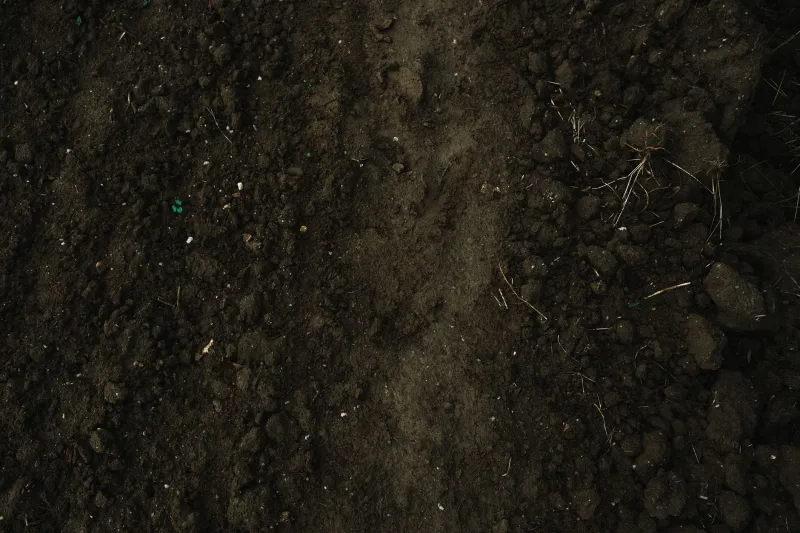
Let's start with a number that should stop you cold: it takes nature roughly 500 years to build one inch of topsoil. In Wisconsin's most erosion-prone agricultural counties, we're losing that inch in a single generation of farming. Sometimes faster.
Soil erosion isn't a dramatic, headline-grabbing disaster. It doesn't announce itself the way a flooded field or a drought does. It's a slow bleed — a little more brown in the runoff after every storm, a little less dark color in the tilled layer each spring, a yield map that quietly trends downward year after year. By the time most farmers notice it, a significant chunk of their most productive resource is already somewhere downstream.
This is the erosion nobody's talking about loudly enough. And in Wisconsin, where our terrain, rainfall patterns, and cropping systems create a particularly tricky set of conditions, it's a problem that deserves a hard, honest look.
What the Numbers Actually Tell Us
The USDA's Natural Resources Conservation Service (NRCS) estimates that tolerable soil loss — what scientists call the "T value" — sits at around 2 to 5 tons per acre per year for most Wisconsin soils. That sounds like a lot until you realize that many fields in the Driftless Area and other sloped regions are losing 10, 15, even 20 or more tons per acre annually during significant rain events.
A University of Wisconsin-Madison study tracking erosion across southwestern Wisconsin's coulee country found that some conventionally tilled cornfields were losing topsoil at rates six to eight times above the sustainable threshold. And here's the kicker: those losses weren't spread evenly across the season. A substantial portion happened in just a handful of high-intensity rainfall events — the kind that are becoming more frequent as Wisconsin's climate shifts toward wetter, more volatile springs.
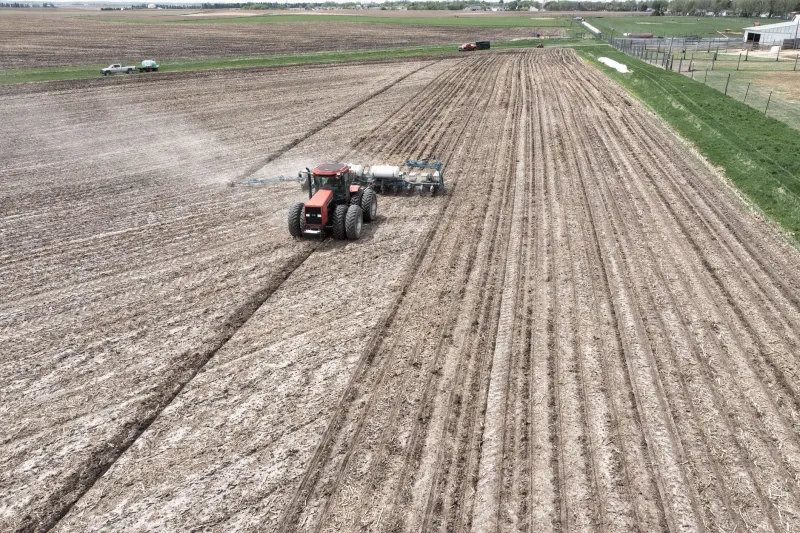
The Driftless Area gets a lot of attention because its dramatic slopes make erosion visible. You can literally watch the gullies form. But erosion is also quietly hammering flatter landscapes. Sheet erosion — the thin, uniform stripping of surface soil across a field — is nearly invisible to the naked eye but devastatingly effective over time. Central Wisconsin's sandy soils face wind erosion pressures that rarely make the conservation conversation but are just as real.
The Practices That Sound Protective (But Aren't Always)
Here's where it gets complicated, and where a lot of well-meaning advice falls apart.
Take cover crops. Yes, a living root in the ground over winter dramatically reduces erosion risk — but only if establishment is successful and the cover achieves meaningful biomass before freeze-up. A thin, patchy cereal rye stand after a dry fall does far less work than the glossy seed catalog photos suggest. Wisconsin's shortened growing windows mean cover crop performance is genuinely variable, and farmers need realistic expectations, not marketing promises.
Contour farming is another example. On paper, following the contour of a hillside to slow water movement is one of the most effective erosion control strategies we have. In practice, it requires field layouts that don't always match modern equipment widths, and even small deviations from true contour can concentrate flow and create erosion channels worse than straight-row systems. The technique works — but it has to be done right, and that requires real planning with someone who knows your specific field geometry.
No-till is perhaps the most oversimplified conversation in erosion control. Eliminating tillage does reduce surface disturbance and preserves soil structure over time. But in Wisconsin's heavy clay soils, compaction can become a serious counterforce, and no-till in wet springs can mean delayed planting, surface residue issues, and pest pressure tradeoffs. It's not a switch you flip — it's a system you build into, often over several years.
A Tale of Two Farms in Vernon County
To understand what actually works at field scale, consider two neighboring operations in Vernon County — one of Wisconsin's most erosion-challenged landscapes.
Farm A converted to a no-till, cover-cropped system about eight years ago. The transition was rough the first three years — yields dipped, weed pressure spiked, and the farmer questioned the decision more than once. But soil organic matter measurements taken last year showed a measurable increase from baseline, and a post-storm assessment after a 2.4-inch rain event in May showed almost no visible runoff leaving the field. The cover crop residue was doing its job.
Farm B, right next door, added cover crops two years ago without changing tillage practices. The seeds went in after fall chisel plowing, into a loosened, exposed seedbed. The covers established reasonably well, but spring tillage the following year buried most of the residue benefit just before the highest-risk erosion window. The farmer felt like they were doing the right things — and they were trying — but the system wasn't coherent enough to deliver real protection.
The difference isn't effort or intention. It's systems thinking. Erosion control works when the pieces reinforce each other.
What Wisconsin's Terrain Demands Specifically
Wisconsin isn't one landscape. The Driftless needs aggressive contour infrastructure, grassed waterways, and cover crops that can handle steep, rocky soils. The Central Sands need wind erosion strategies — cover crops, shelterbelts, and reduced tillage passes. The Lake Michigan shoreline counties deal with heavy clay, tile drainage interactions, and saturation-driven runoff that responds differently than slope-driven erosion.
One-size-fits-all erosion advice is part of why we're still losing ground. Conservation recommendations need to start with a topographic and soil survey of the specific farm, not a general checklist.
The NRCS and Wisconsin's county Land and Water Conservation Departments offer free or subsidized erosion assessments — and programs like EQIP (Environmental Quality Incentives Program) provide cost-share funding for practices like grassed waterways, contour buffer strips, and cover crop seed. These aren't secret resources, but they're dramatically underutilized. If you haven't had a conversation with your county conservationist recently, that's a free first step with real potential payoff.
The Math You Can't Ignore
Here's a way to think about the stakes that might land differently than tons-per-acre statistics.
A farmer who has been building soil organic matter through compost applications, cover cropping, and reduced tillage for 10 years might have increased topsoil depth by a meaningful fraction of an inch and improved biological activity substantially. A single severe erosion event on a sloped field — the kind Wisconsin gets several times a decade — can strip away more soil in one afternoon than was built in those 10 years.
That's not an argument against building soil. It's an argument for protecting it at least as aggressively as you build it.
Erosion control and soil health aren't separate conversations. They're the same conversation. And in Wisconsin right now, with rainfall intensity trending upward and topsoil depth trending downward, it's a conversation that every farmer, landowner, and conservation advocate needs to be having — loudly, urgently, and with real numbers on the table.
The soil under your feet took centuries to form. We don't have centuries to figure out how to keep it there.